Why can two products that do practically the same thing seem so different in price?
The answer lies not only in what they contain, but also in what they convey.
Before trying a product, we have already formed an expectation of it and an idea of how much it is worth.
We do this by looking at the packaging, the brand, the materials, the colours, the typography, or simply the way it is presented. Design also puts a price on the product.
Perception of value. The price that isn’t printed.
How design determines a product’s value before it is used.
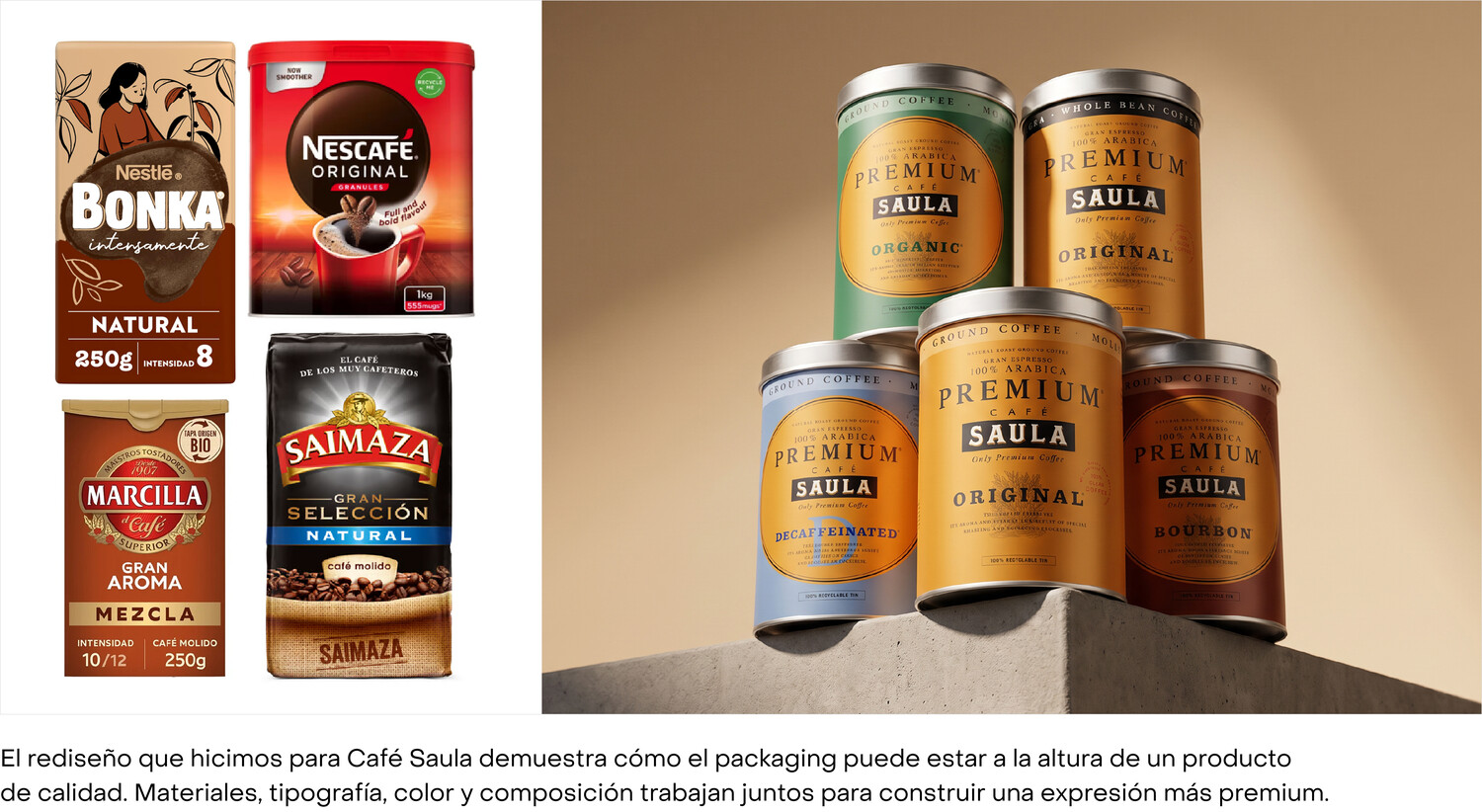
This is especially important when a brand wants to compete in the premium market. Having a good product and simply giving it a higher price tag is not enough. Everything surrounding it has to live up to that expectation. And this is where context matters—a lot—because the codes we associate with quality or exclusivity depend on what we know and what we see around us.
That is why designing for a premium brand does not mean filling the packaging with elements that make it look more expensive. Often, it is quite the opposite: identifying what can be removed, what deserves more prominence, and what element can make the product instantly recognisable.
Good typography. A carefully chosen material. A composition with room to breathe. A colour used with intention. A detail that becomes a distinctive brand code… These are small decisions that, together, can completely change our perception.

And that perception has real consequences. It can make a product stand out on the shelf, appear more sophisticated, or make consumers willing to pay a little more for it. But the opposite can also happen. A design that conveys less value than the product actually has can make a brand seem cheaper than it really is.
That is why design should not be the final layer added to a product, but rather part of how we build its value from the very beginning.
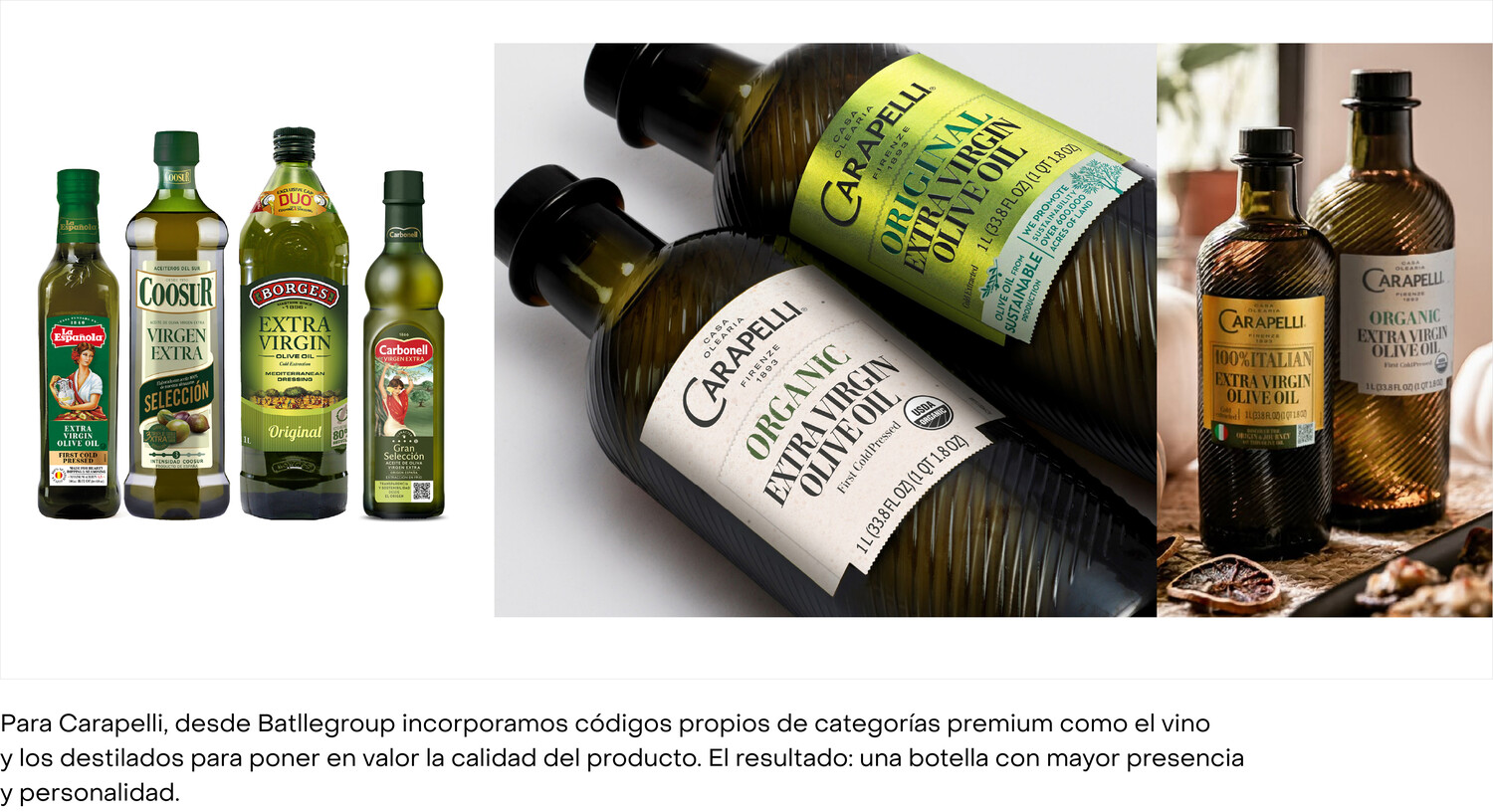
When design and strategy are aligned
The perception of value does not depend on packaging alone. There needs to be consistency between what the brand promises, what the product delivers, and how all of this is expressed visually.
That is why strategic design is not simply a matter of aesthetics. It is what shapes that perception and gives it meaning.
When there is consistency and the product is what it appears to be, the price feels credible. When there is not, a contradiction emerges: a brand with an excellent product may seem cheaper than it really is, or visually promise far more than it can actually deliver.
In both cases, the problem is not just the design. It lies in the gap between real value and perceived value.
Designing is not simply about making a product look good. It is about deciding what we want consumers to think, feel, and expect when they see it for the first time.
The price can be printed on a label, but value has to be built. And design is one of the most direct tools we have to do so.